




























Friday, January 16, 2026
  • Login
  • Register
RTIwala
  • Home
  • Startups
  • Crime
    UPI Fraud Prevention Avoid Phishing and QR Code Scams by RTIwala

    UPI Fraud Prevention: Avoid Phishing and QR Code Scams

    RTIwala Explains Capital Punishment Policy

    Abolition of Death Penalty: A Fancied but Faulty Idea!

    RTIwala Trending IndiGo chaos

    IndiGo Manhandles Passenger, Yet Again: When, Why & How?

    RTIwala Explains DarkNet Data Breach

    DarkNet: Data Breach hits 6000 Indian Organizations

    Prabhat biswal

    Prabhat Biswal Scam: BJD MLA Arrested and Busted

  • Data
    • All
    • Technology
    How to get refund from irctc by RTIwala

    How to get refund from irctc

    How to Get Your Online Birth Certificate: Late Registration & DigiLocker by RTIwala

    How to Get Your Online Birth Certificate

    WBPSC Clerkship Result PDF at psc.wb.gov.in: Check Roll No., Cut-Off & Part-II Updates by RTIwala

    WBPSC Clerkship Result PDF at psc.wb.gov.in: Check Roll No., Cut-Off & Part-II Updates

    गोल्ड की कीमत 2025: आज का रेट, निवेश की रणनीति और RTI से सच्चाई जानें by RTIwala

    गोल्ड की कीमत 2025: आज का रेट, निवेश की रणनीति और RTI से सच्चाई जानें

    Post Office RD Calculator Guide | Accurate Returns Tool by RTIwala

    Post Office RD Calculator Guide | Accurate Returns Tool

    How to File RTI Online for Rajasthan by RTIwala team

    How to File RTI Online for Rajasthan

    How to File RTI Online for Bihar by RTIwala team

    How to file rti in bihar online

    How to File RTI Online for Punjab by RTIwala team

    How to File RTI Online for Punjab

    How to File RTI Online for Uttar Pradesh by RTIwala team

    How to File RTI Online for Uttar Pradesh

  • Explains
    How To Complaint Against Panchayat Secretary By RTIwala

    How To Complaint Against Panchayat Secretary

    How to file RTI for Illegal Construction

    How to file RTI for Illegal Construction

    How to file RTI for CCTV footage

    How to file RTI for CCTV footage

    How to File RTI for Ration Card

    How to File RTI for Ration Card

    How to File RTI for Caste Certificate

    How to File RTI for Caste Certificate

    How to File RTI for Death Certificate

    How to File RTI for Death Certificate

    How to File RTI for PAN Card

    How to File RTI for PAN Card

    How to File RTI for Toll Tax

    How to File RTI for Toll Tax

    How to File RTI for Degree Verification

    How to File RTI for Degree Verification

  • Interviews
    RTIwala Interviews Pankaj Jain, Founder of SM Hoax Slayer & TEDx Speaker

    RTIwala Interviews Pankaj Jain, Founder of SM Hoax Slayer & TEDx Speaker

    RTIwala Srijan Pal Singh Interview

    Rw Interviews SRIJAN PAL SINGH -The Shadow of India’s Missile Man

    Gaurav Munjal RTIwala Interview

    Gaurav Munjal – The Other Salman Khan of India

    Shailesh Gandhi Interview

    Shri Shailesh Gandhi – An Outstanding CIC India ever had…

    A S Pandit SSC UPSC IES GATE

    Shri A S Pandit IES – The Messiah for UPSC, SSC, GATE & IES Aspirants

  • Politics
    Vidhayak fund kaise check kare? File Online RTI for transparency.

    Vidhayak fund kaise check kare? Check vidhayak fund online

    New Income Tax Bill 2025: Key Changes, Risks & How RTI Can Protect Your Rights

    New Income Tax Bill 2025: Key Changes, Risks & How RTI Can Protect Your Rights

    Nitish Kumar Birthday Spl- RTIwala Explains

    All you need to know about Bihar CM Nitish Kumar who turns 67 today

    RTIwala Explains Most Popular Ministers and their Fathers

    Father’s Day 2018 : Top 7 Popular Ministers and their Fathers

    RTIwala Reveals J Jayalalithaa

    Most Interesting Facts About Jayalalitha

    Sushma swaraj

    Sushma Swaraj at United Nation General Assembly

  • Reveals
    Bar Council of India: Structure, Powers and Responsibilities By RTIwala

    Bar Council of India: Structure, Powers and Responsibilities

    क्या होगा जब 30 दिनों में आरटीआई का जवाब नहीं मिलता?

    क्या होगा जब 30 दिनों में आरटीआई का जवाब नहीं मिलता?

    Aadhaar Card Update Rejection: Top Reasons & Easy Solutionsby RTIwala

    Aadhaar Card Update Rejection: Top Reasons & Easy Solutions

    Uttarakhand RTI Act Guidelines_ Filing RTI in Uttarakhand by RTIwala

    Uttarakhand RTI Act Guidelines: Filing RTI in Uttarakhand

    Can I File an ITR for the Previous 3 Years by RTIwala

    Can I File an ITR for the Previous 3 Years?

    RTI for Exam Revaluation: Get Your Answer Sheet & Marks by RTIwala

    RTI for Exam Revaluation: Get Your Answer Sheet & Marks

    Request Your Exam Answer Sheet Under RTI – Easy Process by RTIwala

    How to file RTI for answer sheet

    Ancestral Property Laws: Key Supreme Court Judgments by RTIwala

    Ancestral Property Laws: Key Supreme Court Judgments

    How to Legally Change Your Name in India: Full Guide by RTIwala

    How to Legally Change Your Name in India: Full Guide

No Result
View All Result
Book Appointment

Need any Legal/RTI help?

Connect with the RTIwala Team instantly for quick assistance!
File RTI Now!
Talk To Expert
  • Home
  • Startups
  • Crime
    UPI Fraud Prevention Avoid Phishing and QR Code Scams by RTIwala

    UPI Fraud Prevention: Avoid Phishing and QR Code Scams

    RTIwala Explains Capital Punishment Policy

    Abolition of Death Penalty: A Fancied but Faulty Idea!

    RTIwala Trending IndiGo chaos

    IndiGo Manhandles Passenger, Yet Again: When, Why & How?

    RTIwala Explains DarkNet Data Breach

    DarkNet: Data Breach hits 6000 Indian Organizations

    Prabhat biswal

    Prabhat Biswal Scam: BJD MLA Arrested and Busted

  • Data
    • All
    • Technology
    How to get refund from irctc by RTIwala

    How to get refund from irctc

    How to Get Your Online Birth Certificate: Late Registration & DigiLocker by RTIwala

    How to Get Your Online Birth Certificate

    WBPSC Clerkship Result PDF at psc.wb.gov.in: Check Roll No., Cut-Off & Part-II Updates by RTIwala

    WBPSC Clerkship Result PDF at psc.wb.gov.in: Check Roll No., Cut-Off & Part-II Updates

    गोल्ड की कीमत 2025: आज का रेट, निवेश की रणनीति और RTI से सच्चाई जानें by RTIwala

    गोल्ड की कीमत 2025: आज का रेट, निवेश की रणनीति और RTI से सच्चाई जानें

    Post Office RD Calculator Guide | Accurate Returns Tool by RTIwala

    Post Office RD Calculator Guide | Accurate Returns Tool

    How to File RTI Online for Rajasthan by RTIwala team

    How to File RTI Online for Rajasthan

    How to File RTI Online for Bihar by RTIwala team

    How to file rti in bihar online

    How to File RTI Online for Punjab by RTIwala team

    How to File RTI Online for Punjab

    How to File RTI Online for Uttar Pradesh by RTIwala team

    How to File RTI Online for Uttar Pradesh

  • Explains
    How To Complaint Against Panchayat Secretary By RTIwala

    How To Complaint Against Panchayat Secretary

    How to file RTI for Illegal Construction

    How to file RTI for Illegal Construction

    How to file RTI for CCTV footage

    How to file RTI for CCTV footage

    How to File RTI for Ration Card

    How to File RTI for Ration Card

    How to File RTI for Caste Certificate

    How to File RTI for Caste Certificate

    How to File RTI for Death Certificate

    How to File RTI for Death Certificate

    How to File RTI for PAN Card

    How to File RTI for PAN Card

    How to File RTI for Toll Tax

    How to File RTI for Toll Tax

    How to File RTI for Degree Verification

    How to File RTI for Degree Verification

  • Interviews
    RTIwala Interviews Pankaj Jain, Founder of SM Hoax Slayer & TEDx Speaker

    RTIwala Interviews Pankaj Jain, Founder of SM Hoax Slayer & TEDx Speaker

    RTIwala Srijan Pal Singh Interview

    Rw Interviews SRIJAN PAL SINGH -The Shadow of India’s Missile Man

    Gaurav Munjal RTIwala Interview

    Gaurav Munjal – The Other Salman Khan of India

    Shailesh Gandhi Interview

    Shri Shailesh Gandhi – An Outstanding CIC India ever had…

    A S Pandit SSC UPSC IES GATE

    Shri A S Pandit IES – The Messiah for UPSC, SSC, GATE & IES Aspirants

  • Politics
    Vidhayak fund kaise check kare? File Online RTI for transparency.

    Vidhayak fund kaise check kare? Check vidhayak fund online

    New Income Tax Bill 2025: Key Changes, Risks & How RTI Can Protect Your Rights

    New Income Tax Bill 2025: Key Changes, Risks & How RTI Can Protect Your Rights

    Nitish Kumar Birthday Spl- RTIwala Explains

    All you need to know about Bihar CM Nitish Kumar who turns 67 today

    RTIwala Explains Most Popular Ministers and their Fathers

    Father’s Day 2018 : Top 7 Popular Ministers and their Fathers

    RTIwala Reveals J Jayalalithaa

    Most Interesting Facts About Jayalalitha

    Sushma swaraj

    Sushma Swaraj at United Nation General Assembly

  • Reveals
    Bar Council of India: Structure, Powers and Responsibilities By RTIwala

    Bar Council of India: Structure, Powers and Responsibilities

    क्या होगा जब 30 दिनों में आरटीआई का जवाब नहीं मिलता?

    क्या होगा जब 30 दिनों में आरटीआई का जवाब नहीं मिलता?

    Aadhaar Card Update Rejection: Top Reasons & Easy Solutionsby RTIwala

    Aadhaar Card Update Rejection: Top Reasons & Easy Solutions

    Uttarakhand RTI Act Guidelines_ Filing RTI in Uttarakhand by RTIwala

    Uttarakhand RTI Act Guidelines: Filing RTI in Uttarakhand

    Can I File an ITR for the Previous 3 Years by RTIwala

    Can I File an ITR for the Previous 3 Years?

    RTI for Exam Revaluation: Get Your Answer Sheet & Marks by RTIwala

    RTI for Exam Revaluation: Get Your Answer Sheet & Marks

    Request Your Exam Answer Sheet Under RTI – Easy Process by RTIwala

    How to file RTI for answer sheet

    Ancestral Property Laws: Key Supreme Court Judgments by RTIwala

    Ancestral Property Laws: Key Supreme Court Judgments

    How to Legally Change Your Name in India: Full Guide by RTIwala

    How to Legally Change Your Name in India: Full Guide

No Result
View All Result
RTIwala

Don't Afraid!

File Anoymous RTI to get any data/records from any Office!
File RTI Now!
Talk To Expert

RTIwala > Blog > How Many Times Can a Person File an RTI Application?

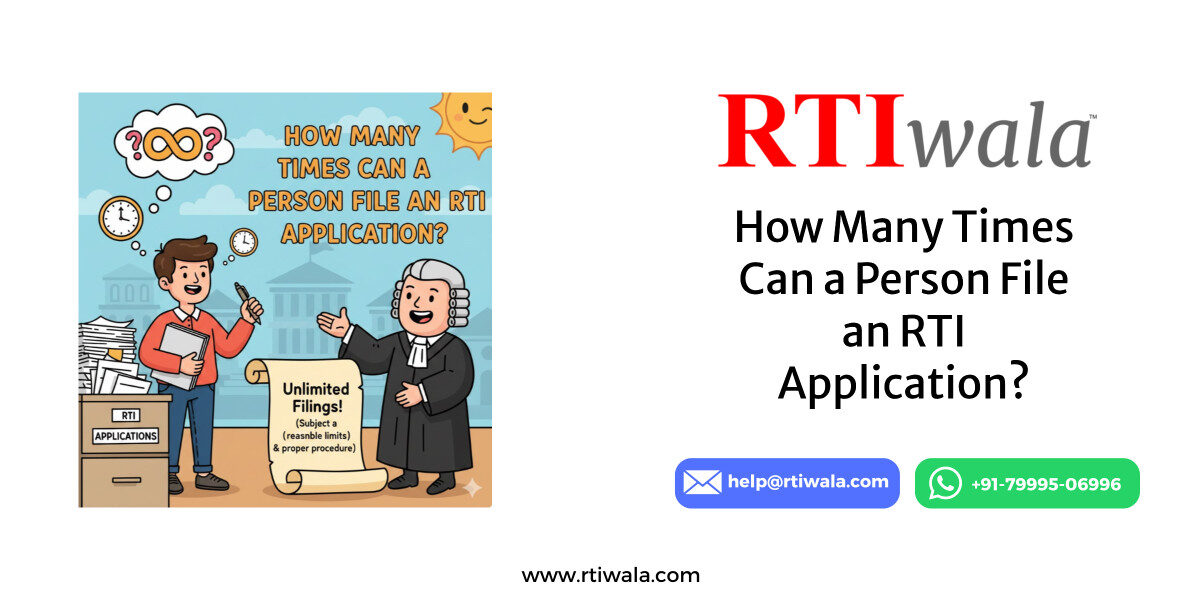
How Many Times Can a Person File an RTI Application?

Staff Writerby Staff Writer
January 9, 2026
How Many Times Can a Person File an RTI Application by RTIwala

Table Of Content

  1. Is There Any Legal Limit on How Many RTI Applications One Person Can File?
  2. Can Government Departments Reject RTIs for Being Filed “Too Many Times”?
  3. What Happens If RTIs Are Filed Repeatedly on the Same Issue?
  4. Can RTI Be Denied for Being “Vexatious” or “Misuse” of the RTI Act?
  5. How Courts and CIC View Multiple RTI Applications by One Applicant
  6. Best Legal Strategy to File Multiple RTI Without Getting Rejected
  7. What to Do If Your RTI Is Ignored or Blocked Due to Frequent Filing
  8. Frequently Asked Questions (FAQs)

Is There Any Legal Limit on How Many RTI Applications One Person Can File?

This is the most searched and misunderstood question about RTI filing.
The simple and legally correct answer is: No, there is no limit under the RTI Act, 2005.
The Act does not prescribe any numerical cap on how many RTI applications an individual can file in a day, month, or lifetime.
Whether you file 1 RTI or 100 RTIs, the law treats each application independently.

The RTI Act is applicant-neutral, meaning it focuses on information sought, not on who is asking or how often.
As long as your RTI:

  • Seeks information under Section 2(f)
  • Is addressed to the correct public authority
  • Is accompanied by the prescribed fee

…it cannot be rejected merely because you have filed RTIs earlier.

Many applicants panic after hearing statements like “आप बहुत ज़्यादा RTI डाल रहे हैं”.
Legally, such remarks have no standing unless the RTI itself violates a specific exemption under Section 8 or 9.
Filing multiple RTIs to track delays, missing files, or corruption is well within your statutory right.

Courts and Information Commissions have repeatedly clarified that:

  • Frequency of filing is not an offence
  • RTI is a fundamental transparency tool
  • Citizens cannot be discouraged just because authorities feel “burdened”

In fact, several landmark orders from the Central Information Commission have stated that administrative inconvenience is not a legal ground for rejection.
Transparency is a statutory obligation, not a favor by the department.

However, while there is no numerical limit, the manner of filing matters.
If RTIs are drafted carelessly, repetitively, or emotionally, authorities may attempt indirect obstruction.
That is why professional structuring and legal clarity become critical when filing multiple RTIs.

Key clarity for users:

  • No limit on number of RTIs per person
  • No restriction on daily or monthly filing
  • No power with departments to impose “self-created limits”

Your right to information does not reduce because you are informed, persistent, or questioning.

Can Government Departments Reject RTIs for Being Filed “Too Many Times”?

This is where ground-level misuse of power usually begins.
Departments often verbally or informally claim that RTIs are being filed “too frequently” to discourage applicants.
Legally speaking, this is invalid unless backed by a written, reasoned rejection citing the RTI Act.

There is no section in the RTI Act that allows rejection solely on the ground of “too many RTIs”.
If a Public Information Officer (PIO) denies information for this reason, it is a procedural violation.
Such denials are routinely overturned in appeals.

What departments can legally do is:

  • Examine each RTI independently
  • Apply Section 8 or 9 exemptions, if applicable
  • Reject vague or non-information queries

What they cannot do:

  • Reject RTIs because the same person files often
  • Create internal caps or unofficial blacklists
  • Delay replies as a punishment for frequent filing

Many applicants face silent resistance instead of formal rejection.
This includes delayed replies, incomplete information, or repeated “under process” responses.
These tactics are not legal denials, but avoidance strategies — and they are appealable.

Information Commissions have clearly held that:

  • RTI cannot be rejected due to administrative workload
  • Repeated RTIs indicate systemic failure, not misuse by citizens
  • PIOs are duty-bound to reply within 30 days regardless of volume

If a department truly believes an RTI is improper, it must:

  • Issue a written reply
  • Quote the exact legal provision
  • Provide appeal details

Anything short of this is procedurally defective and weak in law.

Actionable takeaway for users:

  • Always demand written rejection, never accept oral refusal
  • Check whether Section 8/9 is actually cited
  • File First Appeal immediately if rejection reason is “too many RTIs”

Frequent filing is not misuse.
It often reflects unanswered complaints, pending files, and administrative opacity.

What Happens If RTIs Are Filed Repeatedly on the Same Issue?

This is a real concern for users whose complaints remain unresolved despite earlier RTIs.
Filing repeated RTIs on the same issue is not illegal under the RTI Act.
However, the outcome depends on how the subsequent RTIs are framed and whether they seek new or updated information.

If your second or third RTI asks exactly the same question and no new facts exist, authorities often reply:

  • “Information already provided earlier”
  • “Reply remains the same as previous response”

This is procedurally allowed, but it does not block your right to continue seeking information.

Repeated RTIs become effective and legally strong when they:

  • Ask for status updates after a time gap
  • Seek file movement details, not conclusions
  • Demand documents, not explanations

For example, after receiving a vague reply, a follow-up RTI can legally ask:

  • Date-wise action taken after the previous RTI
  • Names and designations of officers who handled the file
  • Current status and reasons for delay

Authorities often confuse repetition with harassment, but legally they are different.
Repetition without purpose may be ignored, but progressive RTIs create an official trail.
This trail becomes critical during First Appeal and Second Appeal stages.

Information Commissions have consistently observed that:

  • Repeated RTIs often indicate non-compliance or evasive replies
  • Citizens cannot be forced to remain silent after incomplete disclosure
  • Public authorities must improve disclosure instead of blaming applicants

However, careless repetition carries risks.
If RTIs are sent daily without waiting for replies, or drafted emotionally, PIOs may flag them as problematic.
This does not cancel your right, but it may slow down responses.

Best practical approach for users:

  • Wait for the 30-day reply period before refiling
  • Change the angle of information, not just wording
  • Focus on records created after the last RTI date

Repeated RTIs work best when used as a tracking mechanism, not as pressure tactics.
Done correctly, they expose delays, file stagnation, and accountability gaps.

Can RTI Be Denied for Being “Vexatious” or “Misuse” of the RTI Act?

This is the most misused excuse by departments to block persistent applicants.
The term “vexatious” is not defined anywhere in the RTI Act, 2005.
PIOs often rely on this label without legal backing, which makes such denials weak.

Legally, an RTI can not be rejected just because:

  • The applicant files many RTIs
  • The questions make the department uncomfortable
  • The information exposes irregularities

For an RTI to be legally denied, the rejection must fall under Sections 8 or 9.
“Misuse” or “vexatious” is not a standalone exemption under the Act.

That said, courts and commissions do recognize abuse of process in extreme cases.
This usually applies when RTIs:

  • Are abusive, threatening, or insulting
  • Demand opinions, explanations, or hypothetical answers
  • Are filed in bulk without any informational purpose

Even in such cases, rejection must be reasoned and documented.
A PIO cannot simply write “RTI rejected as vexatious” without legal justification.
Such orders are routinely set aside in appeal.

The Supreme Court of India has clarified that while transparency is essential,
RTI should not be used as a tool to harass public officials without cause.
However, the burden of proving misuse lies on the public authority, not the applicant.

Importantly, commissions have drawn a clear distinction:

  • Persistent questioning ≠ misuse
  • Demanding records ≠ harassment
  • Exposing delay ≠ vexatious conduct

Most “misuse” allegations arise when:

  • Departments fail to maintain records
  • Files remain pending for years
  • Multiple RTIs expose systemic negligence

In such cases, labeling the applicant becomes a defensive tactic, not a legal response.

What users should do if accused of misuse:

  • Demand the exact legal section cited
  • File First Appeal against vague rejection
  • Ask the authority to prove how Section 8 or 9 applies

Well-drafted RTIs that seek specific records are almost impossible to label as vexatious.
Clarity, restraint, and precision are your strongest legal shields.

How Courts and CIC View Multiple RTI Applications by One Applicant

Courts and Information Commissions have repeatedly clarified that filing multiple RTIs is not illegal.
The judiciary views RTI as a constitutional tool for transparency, not a privilege granted at the convenience of authorities.
Merely because an applicant files many RTIs, the right to information does not diminish or expire.

The Central Information Commission has held in several decisions that:

  • Volume of RTIs cannot be the basis for rejection
  • Administrative burden is not a legal defence
  • Transparency obligations override inconvenience

Commissions often observe that frequent RTIs signal poor governance, missing records, or unresolved complaints.
Instead of blaming citizens, authorities are expected to improve record management and suo motu disclosures.

Courts have also drawn a balanced line.
They protect genuine RTI use but discourage filings that are abusive, threatening, or purely intended to harass.
This balance ensures the RTI Act remains effective without becoming a tool for vendetta.

The Supreme Court of India has emphasized that:

  • RTI must serve public interest and accountability
  • Information requests should relate to existing records
  • Authorities must respond lawfully, not defensively

Importantly, courts have never imposed a numerical cap on RTI filings.
Even applicants filing hundreds of RTIs have been protected where queries were lawful and specific.
Judicial scrutiny focuses on content and intent, not frequency.

For users, this means one thing clearly:
If your RTIs are record-based, respectful, and legally framed, courts and CIC stand on your side.
Fear of filing “too many RTIs” is legally unfounded.

Best Legal Strategy to File Multiple RTI Without Getting Rejected

Filing multiple RTIs successfully is less about quantity and more about legal technique.
Most rejections happen due to poor drafting, not because of frequency.
A strategic approach ensures your RTIs remain compliant and effective.

The first rule is one RTI, one subject.
Combining unrelated issues in a single application increases rejection risk.
Separate RTIs create clarity and reduce scope for evasive replies.

Second, always seek records, documents, and file notings, not opinions.
RTI is meant to access existing information, not explanations or justifications.
Well-framed queries under Section 2(f) are difficult to dismiss.

Third, space your RTIs logically.
Filing follow-up RTIs after receiving replies or after the 30-day period shows procedural discipline.
Daily or impulsive filings weaken your legal position.

Fourth, avoid emotional or accusatory language.
RTIs should be neutral, factual, and precise.
Courts and commissions consistently favor applicants who maintain professional tone.

Fifth, maintain a paper trail.
Keep copies of RTIs, acknowledgements, replies, and postal proofs.
This documentation becomes decisive during First Appeal or Second Appeal.

Practical safeguards for users:

  • Use dates and reference numbers of earlier RTIs
  • Ask for “action taken after” specific dates
  • Limit each RTI to information already on record

A structured strategy converts multiple RTIs into a legal audit trail.
This trail exposes delay, fixes responsibility, and strengthens appeal outcomes.
Done correctly, repeated RTIs become a governance-check mechanism, not a liability.

What to Do If Your RTI Is Ignored or Blocked Due to Frequent Filing

When RTIs are ignored, delayed, or subtly blocked, applicants often feel helpless.
Legally, silence is not a valid response under the RTI Act.
Non-response within 30 days is treated as a deemed refusal.

The first step is to file a First Appeal under Section 19(1).
This appeal challenges non-response, delay, or unlawful rejection.
Frequency of filing is not a legal ground to deny an appeal.

If blocking continues, the Second Appeal or Complaint becomes crucial.
Information Commissions take repeated non-compliance seriously.
PIOs can face penalty proceedings for deliberate obstruction.

In cases where departments unofficially blacklist or delay habitual applicants,
appeals force authorities to justify their conduct on record.
Once written scrutiny begins, informal harassment usually stops.

Users should also shift focus from “why no reply” to accountability questions, such as:

  • Who handled the RTI file
  • What action was taken and on which date
  • Why statutory timelines were violated

These questions compel departments to disclose internal lapses.
They also strengthen penalty proceedings if delays are intentional.

Immediate action checklist for users:

  • Mark calendar for 30-day deadline
  • File First Appeal on day 31 without delay
  • Attach proof of filing and acknowledgment

Repeated blocking is not a failure of your right — it is evidence of administrative resistance.
The RTI framework is designed to counter exactly this behaviour.
Persistence backed by procedure almost always succeeds.

Frequently Asked Questions (FAQs)

1. Is there a maximum number of RTI applications a person can file in India?
No. The RTI Act, 2005 does not prescribe any numerical limit. A person can file RTI applications as many times as required, provided each RTI seeks valid information from a public authority.

2. Can my RTI be rejected just because I file RTIs frequently?
No. RTIs cannot be legally rejected only on the ground of frequent filing. Rejection is valid only if it falls under specific exemptions mentioned in Sections 8 or 9 of the RTI Act.

3. What happens if I file multiple RTIs on the same issue?
Filing multiple RTIs on the same issue is allowed, especially when seeking updated status, file movement, or action taken after earlier replies. Authorities may repeat earlier replies, but they cannot deny your right.

4. Can a department label my RTI as “vexatious” or “misuse” and reject it?
“Vexatious” or “misuse” is not a defined rejection ground under the RTI Act. Such labels have no legal value unless the RTI violates a specific exemption. Many such rejections are overturned in appeal.

5. How do Information Commissions view applicants who file many RTIs?
Bodies like the Central Information Commission have repeatedly held that multiple RTIs do not amount to misuse. Frequency alone is not a valid reason to deny information.

6. What is the safest legal way to file multiple RTIs without rejection?
File one subject per RTI, ask only for records or documents, avoid emotional language, wait for statutory timelines, and maintain proper documentation. Well-drafted RTIs are rarely rejected.

7. What should I do if my RTI is ignored due to frequent filing?
If no reply is received within 30 days, file a First Appeal immediately. Silence or delay is treated as deemed refusal, and frequency of filing is not a valid defence for the department.

8. Can repeated RTI filing lead to penalties against officials?
Yes. If repeated RTIs expose deliberate delay or non-reply, Information Commissions can initiate penalty proceedings against the PIO for violating statutory timelines.
Tags: how many rtimultiple rti filingrti application limitrti filing limitRTIwala
Previous Post

Role of Assistant Registrar Cooperative Societies

Next Post

How to File RTI Against a Co-operative Society in India

Leave a Reply Cancel reply

Your email address will not be published. Required fields are marked *

Get Your Free Consultation

Contact Form

Second Appeal RTI Time Limit

January 16, 2026
Grounds For Rejection Of Information Under RTI by RTIwala

Grounds For Rejection Of Information Under RTI

January 16, 2026
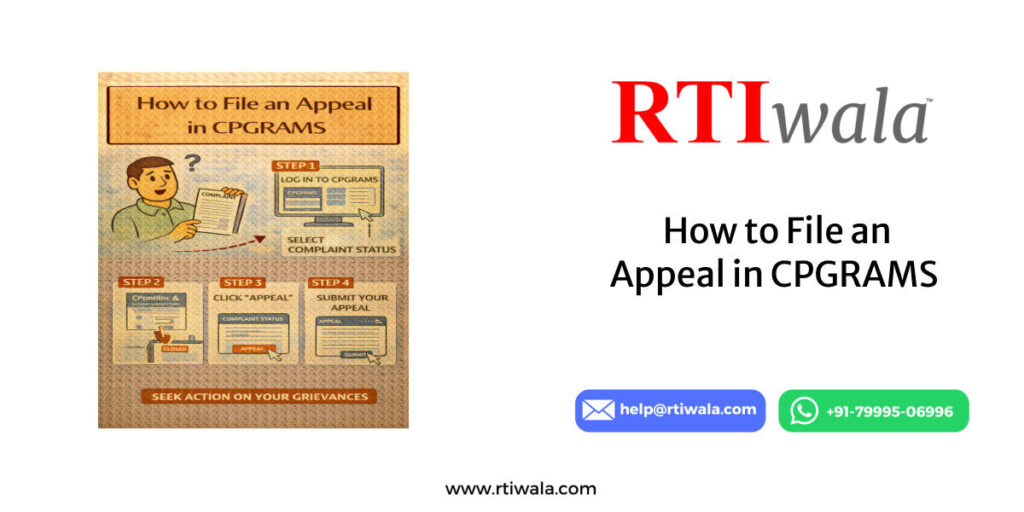
How to File an Appeal in CPGRAMS by RTIwala

How to File an Appeal in CPGRAMS

January 16, 2026
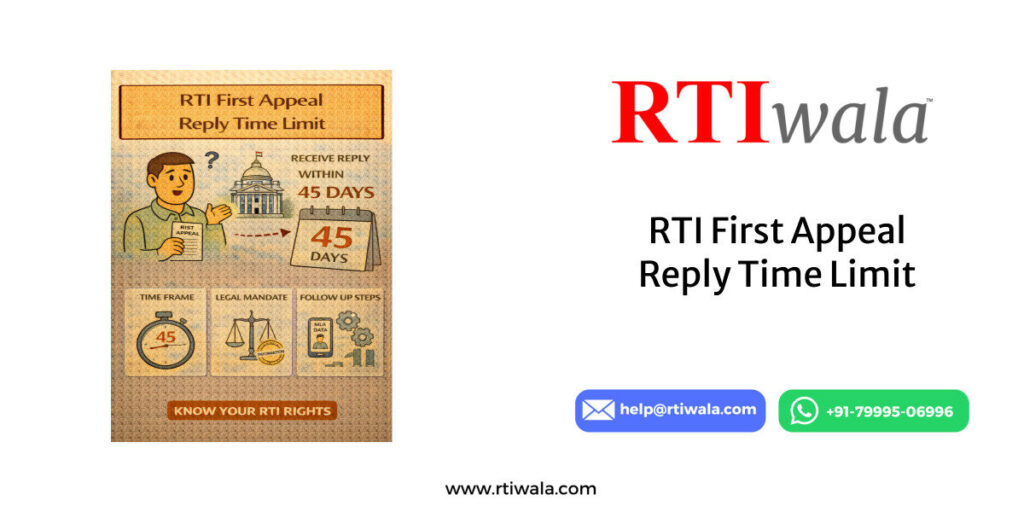
RTI First Appeal Reply Time Limit by RTIwala

RTI First Appeal Reply Time Limit

January 16, 2026
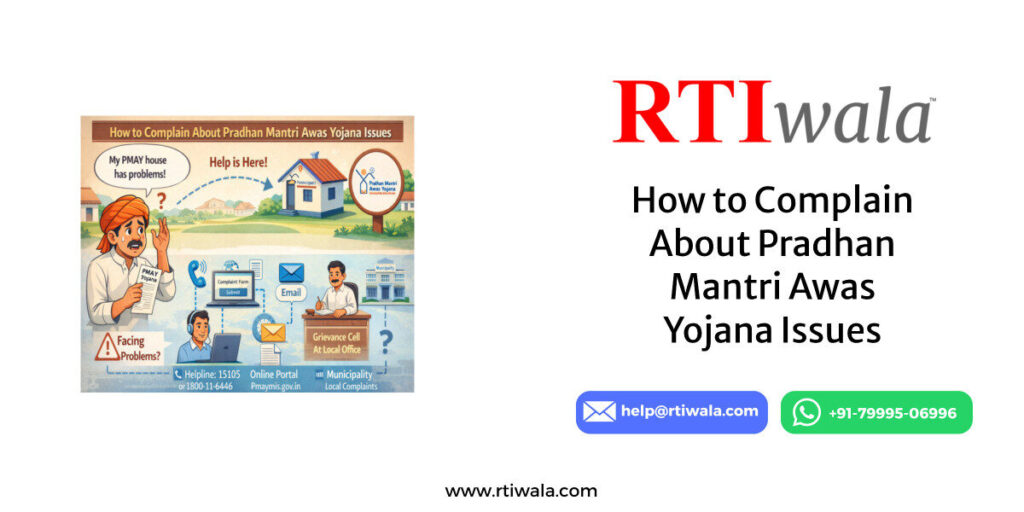
How to Complain About Pradhan Mantri Awas Yojana Issues by RTIwala

How to Complain About Pradhan Mantri Awas Yojana Issues

January 15, 2026
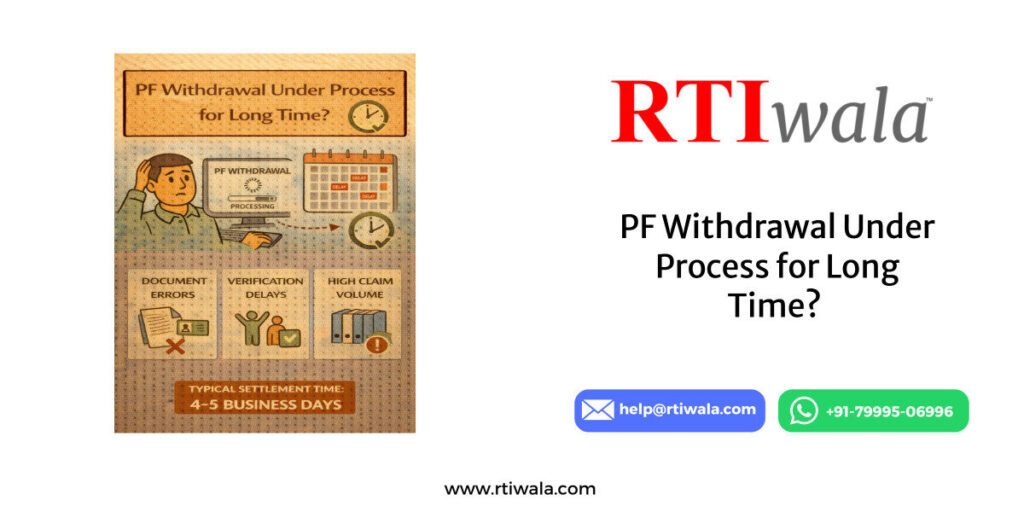
PF Withdrawal Under Process for Long Time? PF Settlement Time, Delay Reasons & How Many Days It Takes By RTIwala

PF Withdrawal Under Process for Long Time? PF Settlement Time, Delay Reasons & How Many Days It Takes

January 15, 2026

MP Startup Summit 2026 (Bhopal): Everything You Should Know

January 14, 2026
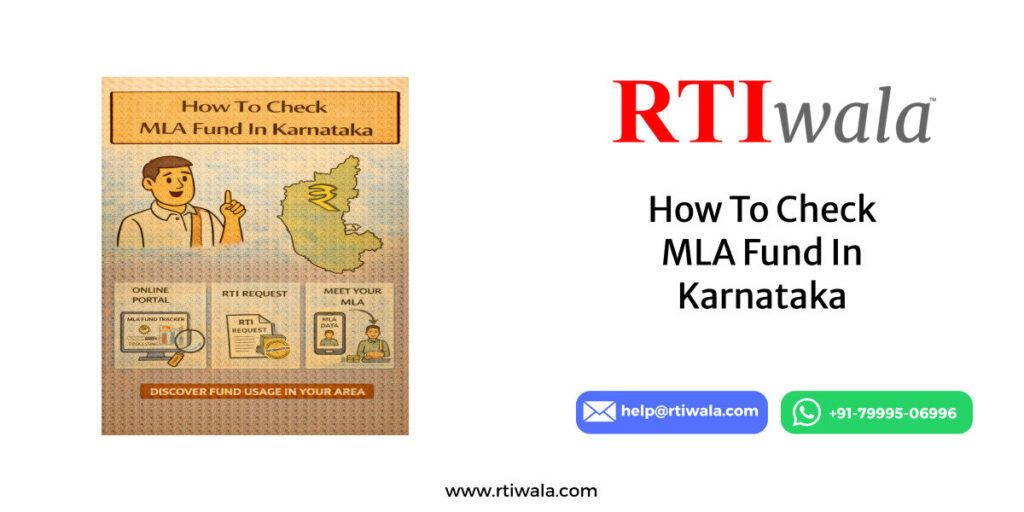
How To Check MLA Fund In Karnataka by RTIwala

How To Check MLA Fund In Karnataka

January 13, 2026
Next Post
How to File RTI Against a Co-operative Society in India by RTIwala

How to File RTI Against a Co-operative Society in India

RTIwala

Empowering the masses...

RTIwala is a VC-backed legaltech startup empowering the masses through affordable result-driven legal solutions. We're helping people in exercising their Right to Information, Consumer Rights and fixing legal issues.

  • Join AskRTIwala now!

About

  • Careers
  • Our Blog
  • About Us
  • The Team
  • Apply Guest Author

Products

  • Online RTI Filing
  • First Appeal Filing
  • Anonymous RTI Filing
  • 10 min Micro Consultation
  • 20 min Micro Consultation

Personal

  • Micro Consultation
  • Follow-up Add-ons
  • Online RTI Solution
  • First Appeal Solution
  • Anonymous RTI Solution

Business

  • Micro Consultation
  • Follow-up Add-ons
  • Online RTI Solution
  • First Appeal Solution
  • Anonymous RTI Solution

Social

  • Micro Consultation
  • Follow-up Add-ons
  • Online RTI Solution
  • First Appeal Solution
  • Anonymous RTI Solution
Load More

Rw Gyaan

  • Data
  • Crime
  • Archive
  • Entertainment
  • Explains
  • Interviews
  • Guest Post
  • Ask RTIwala
  • Sports
  • Politics
  • Reveals
  • Reviews
  • Other
  • Views
  • Trending
  • How to File an RTI Online?
  • How to File an Anonymous RTI?
  • What is the Process of First Appeal?
  • What is the Right to Information (RTI) Act?

File RTI Online Across States/Union Territories

  • RTI Online Goa
  • RTI Online Bihar
  • RTI Online Assam
  • RTI Online Chandigarh
  • RTI Online Chhattisgarh
  • RTI Online Andhra Pradesh
  • RTI Online Arunachal Pradesh
  • RTI Online Kerala
  • RTI Online Haryana
  • RTI Online Karnataka
  • RTI Online Jharkhand
  • RTI Online Puducherry
  • RTI Online Madhya Pradesh
  • RTI Online Himachal Pradesh
  • RTI Online Punjab
  • RTI Online Odisha
  • RTI Online Manipur
  • RTI Online Mizoram
  • RTI Online Nagaland
  • RTI Online Meghalaya
  • RTI Online Lakshadweep
  • RTI Online Delhi
  • RTI Online Sikkim
  • RTI Online Tripura
  • RTI Online Telangana
  • RTI Online Tamil Nadu
  • RTI Online Uttarakhand
  • RTI Online Uttar Pradesh
  • RTI Online Jammu and Kashmir
  • RTI Online Gujarat
  • RTI Online Ladakh
  • RTI Online Rajasthan
  • RTI Online Maharashtra
  • RTI Online West Bengal
  • RTI Online Daman and Diu
  • RTI Online Dadra & Nagar Haveli
  • RTI Online Andaman and Nicobar

Get in touch with us

Reach Out to Our Team

Give us a call

+91 79995 06996

Send us an email

help@rtiwala.com

Connect with us

Facebook Youtube Whatsapp Instagram Linkedin
  • ©2021-25 RTIwala | All Rights Reserved
  • Disclaimer
  • Help Center
  • Refund Policy
  • Privacy Policy
  • Terms of Services

Welcome Back!

Login to your account below

Forgotten Password? Sign Up

Create New Account!

Fill the forms below to register

All fields are required. Log In

Retrieve your password

Please enter your username or email address to reset your password.

Log In
No Result
View All Result
  • Home
  • For Startups
  • Ask RTIwala
  • Crime
  • Data
  • Explains
  • Interviews
  • Politics
  • Reveals

© 2024 RTIwala