




































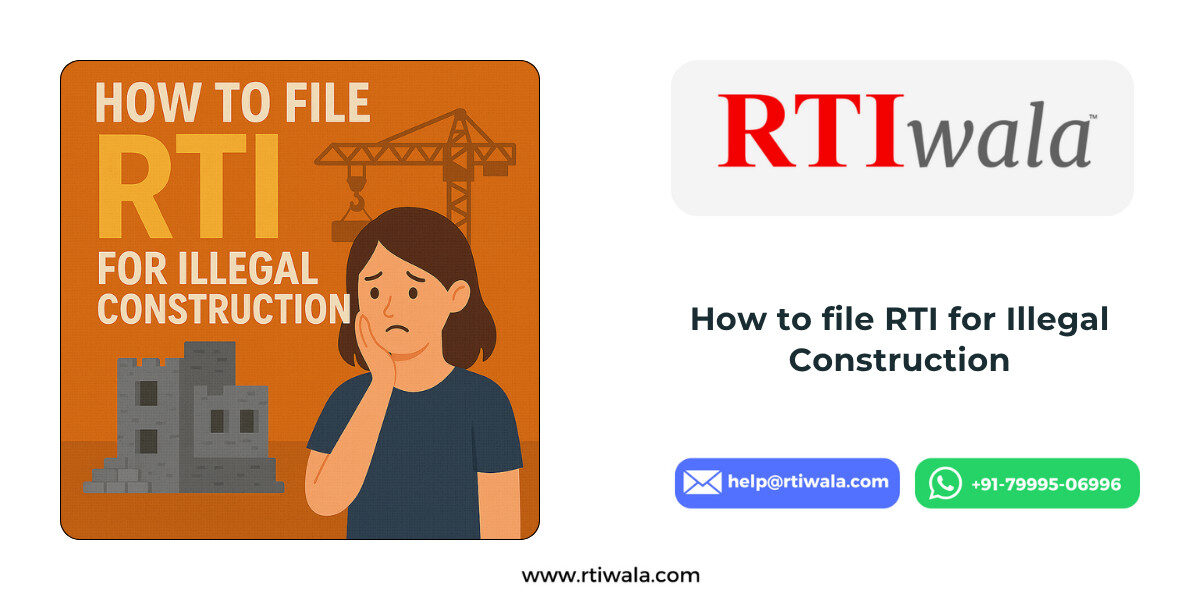
How to Report Illegal Construction Anonymously in India
Illegal construction near your home can block light, roads, drainage, or even create safety risks.
But most people stay silent because they fear confrontation, political pressure, or harassment.
The good news is — Indian law allows you to complain safely without revealing your identity.
Here’s the exact step-by-step process that actually works.
1. How to Report Illegal Construction Anonymously Without Revealing Your Identity (Step-by-Step Process)
If you want to complain secretly, never approach the builder or local staff directly.
Direct confrontation often exposes your identity and creates unnecessary problems.
Instead, use official written or online systems that protect your details automatically.
This keeps you legally safe and prevents retaliation.
Follow this simple process:
• Note the full address and landmark of the construction
• Take photos/videos from public space only
• Record date, time, and type of violation
• Avoid sharing your name with local workers or neighbors
Now choose an anonymous channel:
• Online grievance portals
• Anonymous email complaints
• RTI-based information requests
• Third-party filing services
Always avoid using personal phone numbers if privacy is important.
Use a secondary email ID when submitting complaints online.
Never sign handwritten complaints with your real signature.
This reduces traceability and protects you completely.
This method ensures:
• No direct exposure
• Written record of complaint
• Legal tracking
• Faster action
Illegal construction troubling you? RTIwala secures official proof and drives action anonymously — contact now:
📞 Call: +91-7999-50-6996
💬 WhatsApp: https://help.rti.link/
🌐 www.rtiwala.com
2. Where to File an Anonymous Complaint Online – Municipal, Police & Government Portals List
Many people don’t know where to complain, so the issue never gets resolved.
Sending complaints to the wrong department wastes months.
Illegal construction is handled mainly by Municipal Corporations or Development Authorities.
Submitting through correct portals increases action speed.
You can report at:
Municipal Corporation / Nagar Nigam
This is the primary authority for:
• Building permission violations
• Extra floors
• Encroachments
• Road/footpath blockage
Most cities provide:
• Online complaint forms
• Citizen grievance portals
• Mobile apps
Search:
“City name + illegal construction complaint portal”
Example:
• Delhi – MCD portal
• Mumbai – BMC complaint system
• Bangalore – BBMP grievance
• Local Nagar Palika website
Police (if safety risk exists)
If construction:
• blocks emergency access
• causes structural danger
• creates public threat
You can file:
• Online police complaint
• Public nuisance report
No identity disclosure is mandatory in many states.
State Public Grievance Portals
You can also use:
• CPGRAMS (Central Govt portal)
• State grievance systems
• District collector portals
These escalate the issue if the municipality ignores it.
Tip:
Online complaints create a digital trail, which forces departments to respond.
Verbal complaints rarely work.
Always prefer written or online submission.
3. How to Use RTI to Collect Proof and Force Action Against Unauthorized Construction Safely
This is the most powerful and safest method many citizens don’t know about.
Instead of directly accusing anyone, you simply ask the government for records.
Under the RTI Act, authorities must reply within 30 days.
This exposes illegal activity without naming you as a complainant.
You don’t complain — you ask for documents.
Request details like:
• Approved building plan copy
• Construction permission number
• Inspection reports
• Completion certificate
• Action taken reports
• Demolition notices issued
If construction is illegal, authorities usually:
• have no approval
• have pending violations
• ignored inspections
These documents become legal proof.
Benefits of RTI approach:
• Identity protected
• Written official evidence
• Forces department accountability
• Works even if officers are corrupt
• Legally binding replies
You can file:
• Online RTI
• Postal RTI
• Anonymous RTI through safe filing services
Once you get proof, authorities cannot deny violations.
They must take action or provide written justification.
This pressures them to act quickly.
Most successful cases use:
Step 1 → RTI for documents
Step 2 → Complaint with proof attached
Step 3 → Follow-up grievance
This combination gets fastest results.
4. What Evidence and Documents to Gather Before Filing the Complaint
Authorities take faster action when your complaint includes facts and proof.
If you only write “illegal construction ho raha hai”, they may ignore it.
But attaching proper evidence forces officials to inspect immediately.
Strong documentation increases credibility and speeds up demolition or penalties.
Start collecting simple, legal evidence:
• Clear photos of the building
• Videos showing active construction
• Date and time stamps
• Nearby house number or landmark visible
Always take photos from:
• public roads
• your balcony
• common areas
Never trespass or enter private property.
Illegal entry can weaken your case.
Also note important details:
• Exact address of the site
• Number of floors being built
• Approximate start date of construction
• Whether work is happening at night or secretly
• Obstruction to road, drainage, or safety
If possible, gather:
• Neighbour statements (without revealing your name)
• Newspaper notices
• Builder name or contractor board
• Screenshots of online approvals (if any)
For RTI or complaint attachments:
• Copy of your RTI reply (if already received)
• Approved plan mismatch proof
• Previous complaint acknowledgement number
These documents show:
• violation exists
• government aware
• action required
More proof = faster response.
5. What Happens After You Report – Timeline, Follow-ups, and Legal Action You Can Expect
Most people think “complaint kar diya, kaam ho jayega.”
But government systems need tracking and follow-up.
If you stay passive, files may move slowly.
Active monitoring ensures results.
Here’s what usually happens step-by-step:
Step 1 – Complaint Registered
You receive:
• complaint number
• ticket ID
• acknowledgement email/SMS
Save this carefully.
This is your tracking reference.
Step 2 – Site Inspection
Within 7–15 days, officials may:
• visit the site
• measure construction
• check approvals
• verify violations
Sometimes inspection happens secretly to avoid conflict.
Step 3 – Notice to Builder
If illegal activity is found:
Authority may issue:
• Stop-work notice
• Show-cause notice
• Demolition order
• Fine or penalty
This legally stops further construction.
Step 4 – Action Taken Report
Department must update:
• inspection result
• violation details
• action taken
You can request this through RTI if not shared automatically.
Illegal construction troubling you? RTIwala secures official proof and drives action anonymously — contact now:
📞 Call: +91-7999-50-6996
💬 WhatsApp: https://help.rti.link/
🌐 www.rtiwala.com
Frequently Asked Questions (FAQs)
1. Can I report illegal construction anonymously in India?
Yes. You can file complaints through municipal portals, grievance systems, or RTI without publicly revealing your identity, ensuring safety and privacy.
2. Where should I complain about unauthorized construction in my area?
Report to your local Municipal Corporation, Nagar Nigam, Development Authority, or use state/central grievance portals like CPGRAMS for faster action.
3. Will my name be shared with the builder after filing a complaint?
No. Online complaints and RTI requests do not disclose your identity to builders, keeping you protected from confrontation or retaliation.
4. How can RTI help expose illegal construction safely?
RTI lets you request approved plans, permissions, and inspection reports. Missing or mismatched records legally prove violations without directly accusing anyone.
5. What evidence should I attach with the complaint?
Attach clear photos, videos, site address, dates, and any RTI replies or approval mismatches to strengthen your case and speed up action.
6. What if authorities ignore my complaint?
Track the complaint number, send reminders, escalate to senior officers, and file an RTI for an “Action Taken Report” to legally force a response.
7. How long does action against illegal construction usually take?
Inspection may happen within 1–3 weeks, notices within a month, and demolition or penalties typically occur within 1–3 months depending on severity.
8. Can I report illegal construction online without visiting any office?
Yes. Most cities provide online complaint portals and RTI filing options, allowing you to report, track, and follow up completely from home.