























Table of Content
Understanding the 30-Day Rule for RTI Replies
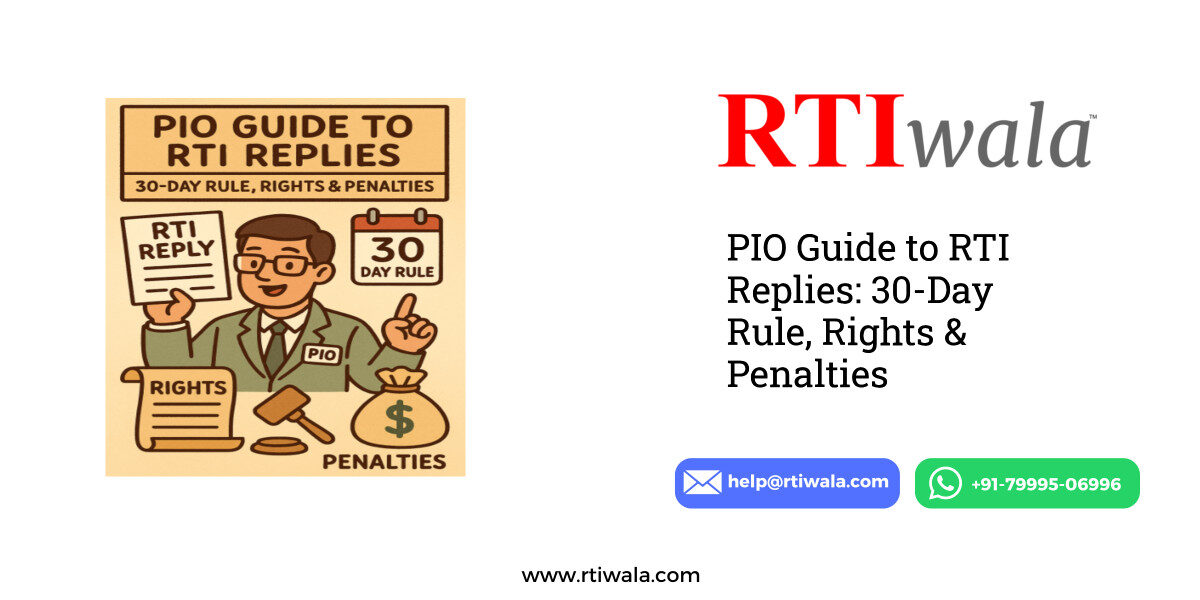
Under the RTI Act, 2005, every Public Information Officer (PIO) must reply to an RTI application within 30 days.
For life-and-liberty cases, the timeline reduces to 48 hours.
Most citizens filing RTI online through platforms like online rti india or filing rti online do not know that if the PIO delays the reply even by one day, the law automatically triggers escalation rights.
This makes it extremely important for citizens to submit correct, targeted applications, because even a small drafting error allows the PIO to reject or delay the case.
To avoid this, thousands of people now prefer RTIwala for professional drafting and follow-up.
Responsibilities of a Public Information Officer (PIO)
A PIO must ensure:
- Correct identification of the requested information
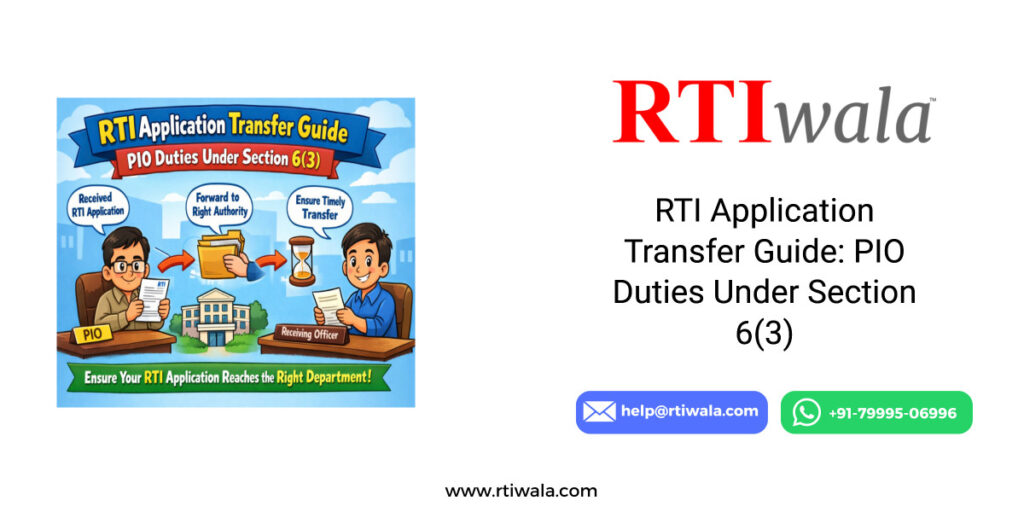
- Transfer of the application to the correct department under Section 6(3)
- Providing point-wise, document-backed replies
- Clear mention of file movement, actions taken, dates and signatures
- Supply of certified copies or access to records
A properly drafted RTI helps the PIO easily identify the exact records.
But vague applications such as “give all details” confuse the officer and extend the reply time.
When users file through unreliable portals instead of file online RTI, PIO often send incomplete responses or cite exemptions.
This is one major reason why a large number of applicants later search for:
- what if rti is not replied in 30 days
- what to do if rti reply not received within 30 days
- rti reply rules
This article solves all those queries.
What Happens If the PIO Fails to Reply Within 30 Days?
If the PIO does not reply:
a) The application is considered “deemed refusal.
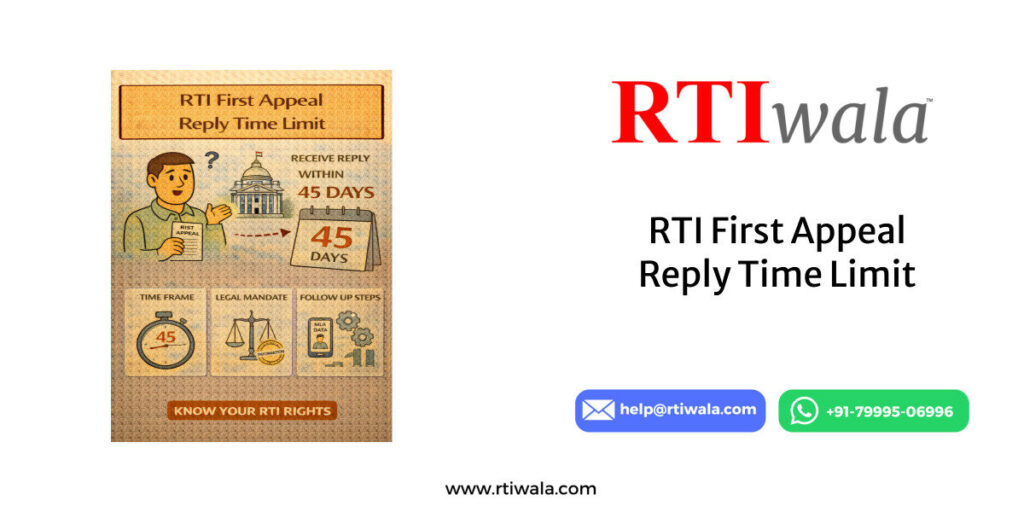
This gives the applicant the legal right to immediately file a First Appeal.
b) The PIO becomes liable for penalties under Section 20.
The Information Commission may impose a penalty of ₹250 per day up to ₹25,000.
c) Departmental action may also be recommended.
However, all this only happens if your RTI is drafted in a way that puts legal obligation on the PIO.
A casual RTI often leads to:
- “Information not available”
- “Does not fall under our jurisdiction”
- “Your query is vague”
- “Section 8 exemptions”
RTIwala ensures that your RTI is written in a legally enforceable, fact-based, and PIO-friendly format.
How Citizens Can Ensure Timely Replies
Here are steps to improve your chances of receiving a correct reply within 30 days:
Use clear, specific language
Avoid broad questions. Mention dates, reference numbers, file numbers, scheme names, survey details, Khasra numbers, etc.
Always submit RTI to the correct department
Wrong authority = automatic delay.
RTIwala verifies the authority through its internal database before drafting.
Mention your intent properly
PIOs reply faster when the purpose is clear and documented.
Use professional drafting
Most delays occur because the application is confusing.
A well-drafted RTI is answered quickly because the PIO does not want legal burden.
RTIwala expert team drafts custom RTI applications that align with the officer’s workflow and legal obligations.
Why Many RTI Applications Get Delayed or Rejected
Based on common search queries like:
- how file rti
- how to file right to information
- apply for rti online
Most applicants unknowingly make mistakes such as:
- Asking questions instead of requesting information under Section 2(f)
- Not specifying the period of information
- Submitting irrelevant attachments
- Using informal language
- Filing RTI for private entities
- Incorrect fee format
These errors give PIOs legal grounds to deny information.
If your RTI is vague, the PIO may delay deliberately because the Act allows them to refuse unclear requests.
RTIwala’s Expert Assistance for PIOs in Preparing Correct RTI Responses
RTIwala is trusted because:
RTIwala also writes RTI replies for PIOs after carefully studying each application and checking all legal provisions. Our expert team ensures the reply is accurate, complete, and fully compliant with the RTI Act, reducing the chances of appeals or queries. This helps PIOs save time, avoid procedural mistakes, and maintain transparency in their department. For professionally drafted RTI replies:
📞 +91-7999-50-6996 |
💬 WhatsApp: https://wa.me/917999506996
FAQs
1. What should a PIO include in an RTI reply?
The reply must be point-wise, include certified copies, dates, remarks, and clearly state whether information exists or not.
2. What if my RTI reply is unsatisfactory?
You can file a First Appeal within 30 days. RTIwala drafts effective, legally strong appeals.
3. What if the PIO does not reply within 30 days?
It becomes a deemed refusal. You can escalate through First Appeal or Second Appeal.
4. How can I ensure my RTI is not rejected?
Use proper drafting, specify each detail, and file through platforms like RTIwala that follow a professional process.
5. Does RTIwala help in online RTI filing?
Yes. RTIwala offers accurate drafting, appeal support, and end-to-end guidance for all government document retrievals.